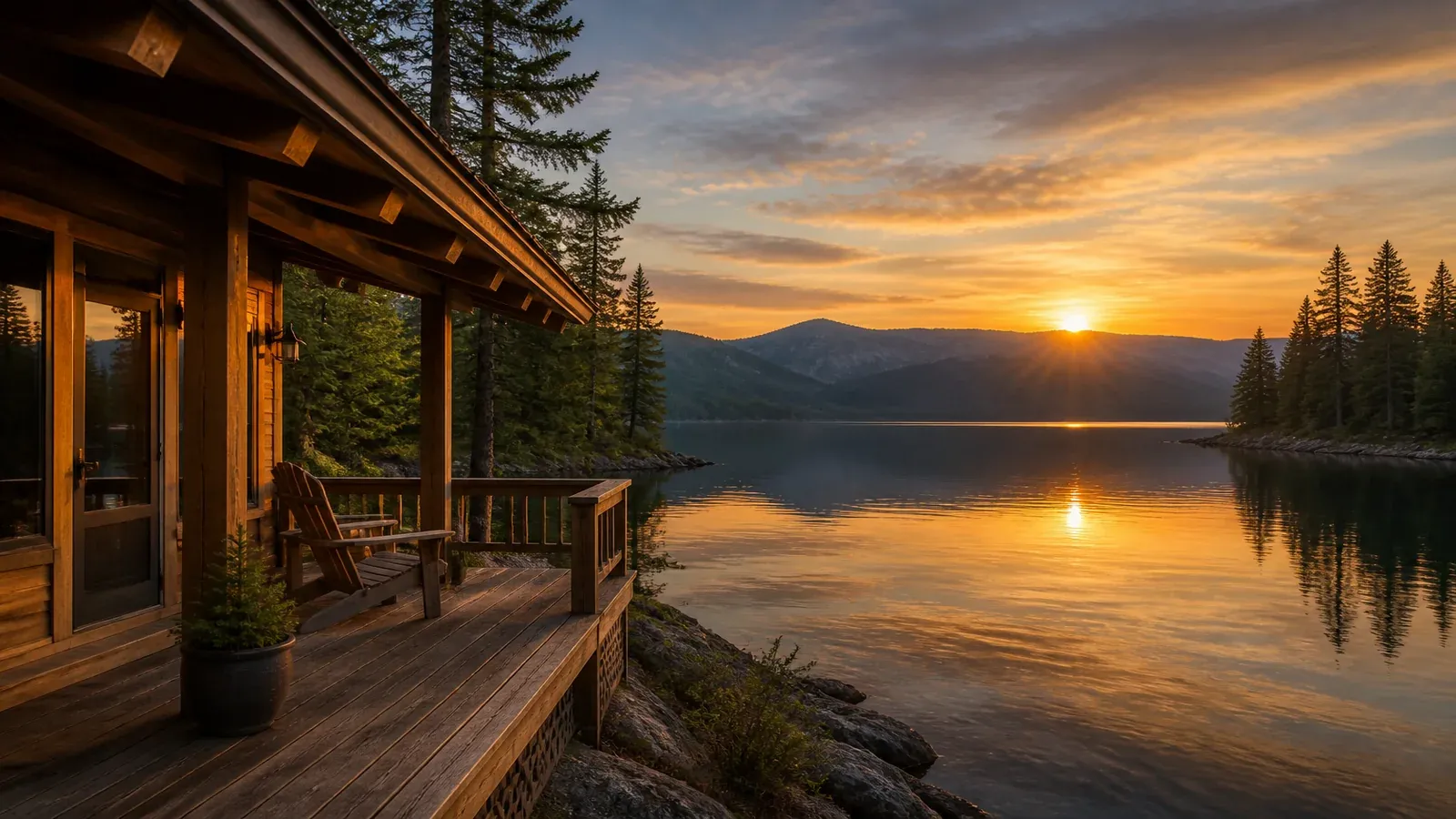
A lakeside cabin in a mountain setting combines two distinct appeals: the quiet rhythm of water at the shoreline and the dramatic backdrop of alpine terrain. Properties range from rustic hand-built structures on remote forest service roads to fully serviced cabins within a short drive of trailheads and marinas. Understanding the differences between property types, access arrangements, and seasonal operating conditions helps travelers research options more effectively and set realistic expectations before committing to a stay. This guide covers the main categories of mountain lakeside cabins, practical questions to ask during research, and how shoreline location affects the overall experience.
What Defines a Mountain Lakeside Cabin
Not every cabin near water qualifies as a true lakeside stay. In mountain regions, lodging marketed as lakeside may sit anywhere from directly on the shoreline to several hundred yards uphill with a shared access path. The distinction matters because proximity to water affects noise levels, insect activity, morning light, and how easily you can launch a kayak or cast from shore without driving elsewhere. Genuine lakeside properties typically offer direct visual access to the water from the cabin or its immediate deck area, though exact shoreline rights vary by property, jurisdiction, and lease arrangement.
Mountain lakes differ from lowland reservoirs in several ways that influence cabin design and guest experience. Elevation affects temperature swings between day and night, often producing crisp evenings even in midsummer. Many alpine lakes are fed by snowmelt, which keeps water temperatures cold well into July and can limit comfortable swimming without a wetsuit. Shorelines may be rocky, forested, or marshy depending on lake geology and vegetation, which in turn affects dock availability, beach access, and the ease of moving gear between cabin and water.
Common Cabin Types and Construction
Mountain lakeside cabins in the United States generally fall into a few recognizable categories, each with different comfort profiles and maintenance requirements:
- Traditional log or timber-frame cabins: Often the oldest structures on a given lake, built with local materials and sometimes lacking modern insulation. They may offer authentic character and excellent lake views but can be drafty in shoulder seasons.
- Modern prefabricated or kit cabins: Increasingly common on private lakefront parcels, these typically include better insulation, updated plumbing, and climate control suitable for three-season or four-season use depending on build quality.
- Converted fishing or hunting lodges: Some lakeside properties began as seasonal camps for anglers or hunters and were later adapted for general recreation. Layouts may prioritize gear storage and mudroom access over open-plan living spaces.
- Resort-adjacent or community-lot cabins: On lakes with established cabin communities, individual units may share marina facilities, beach areas, or road maintenance while maintaining private decks and sleeping quarters.
Construction quality and age are not always visible in listing photos. Asking directly about insulation, heating source, water supply (well, cistern, or municipal), and sewage system (septic versus holding tank) provides a clearer picture of what daily life at the property will involve, especially during cooler months.
Shoreline Access and Water Rights
Shoreline access is one of the most variable aspects of lakeside cabin stays. In some states, deeded lakefront includes a defined strip of land to the water's ordinary high-water mark. In others, cabins may sit on elevated terrain with a deeded easement path to a shared dock or beach. Public lands surrounding many mountain lakes can further complicate access: a cabin may face a lake bordered partly by national forest, meaning certain shoreline activities are governed by federal regulations rather than private property rules alone.
Worth confirming during research:
- Whether the property includes a private dock, shared dock, or no dock at all.
- Whether motorized boats are permitted from the property's shoreline or only from a designated marina.
- Whether the listed photos show the cabin's actual shoreline view or a general lake vista from elsewhere.
- Whether seasonal water-level fluctuations significantly change the usable shoreline area.
- Whether any trail or easement crosses the property between the cabin and the water.
Seasonal Considerations for Lakeside Stays
Mountain lakes follow distinct seasonal patterns that affect both cabin usability and on-water activities:
- Spring (April–June): Snowmelt raises water levels and can muddy shorelines. Roads to remote cabins may remain partially snow-covered into May at higher elevations. Fishing often improves as ice clears, but swimming is typically too cold for most visitors.
- Summer (July–August): Peak recreation season with longest daylight hours. Afternoon thunderstorms are common in many mountain ranges and can develop quickly over open water. Insect activity near shorelines may peak in early summer before tapering in drier late-summer weeks.
- Autumn (September–October): Cooler water and air temperatures, fewer motorized boats on many lakes, and changing foliage on surrounding slopes. Some cabin operators close for the season by mid-October depending on road maintenance and heating capacity.
- Winter (November–March): Many lakeside cabins at elevation are not winterized or accessible when forest roads close for snow. Where ice fishing and snowshoeing are possible, properties with reliable heat and plowed access may still operate, but availability is limited compared to summer.
Our seasonal guides explore these patterns in more detail across activities and regions.
Amenities Worth Researching
Amenity lists on booking platforms can be inconsistent. Beyond the basics of beds, kitchen, and bathroom, lakeside cabin travelers often care about water quality and supply, power source reliability, cell service and Wi-Fi availability, firewood and fire restriction compliance, and wildlife-proof food storage. Each of these factors can materially change how comfortable and safe a stay feels, particularly when the nearest town is thirty minutes or more away by unpaved road.
Pairing a Cabin Stay with Lake Activities
A lakeside cabin location influences which activities are practical without additional driving. Cabins on larger lakes with established marinas may suit motorized boating and longer paddling routes. Smaller alpine lakes often favor quiet fishing, short kayak loops, and shoreline hiking. Proximity to trailheads — covered in our hiking guide — can turn a cabin stay into a base camp for day hikes with lake recovery time in the evening.
The most satisfying lakeside cabin stays usually match the property's actual shoreline and access reality to the activities you care about most — not every lake supports every type of recreation equally.
Research Checklist Before Booking
- Confirm exact distance and path from cabin to usable shoreline.
- Verify heating, insulation, and winter road access if traveling outside peak summer.
- Check local fire, boating, and fishing regulations independently of the listing.
- Understand cancellation policies relative to mountain weather variability.
- Identify nearest town for groceries, fuel, and emergency services.
- Review whether the property requires four-wheel-drive or chains on access roads during your dates.
How This Guide Was Put Together
This overview reflects general research on mountain lakeside lodging patterns across the western and northeastern United States, cross-referenced against publicly available guidance from land management agencies and regional tourism boards. It is intended as educational background for independent trip research rather than a recommendation of specific properties. Availability, access conditions, water levels, and local regulations may change without notice — always verify current details directly with property operators and official local sources before making travel commitments.