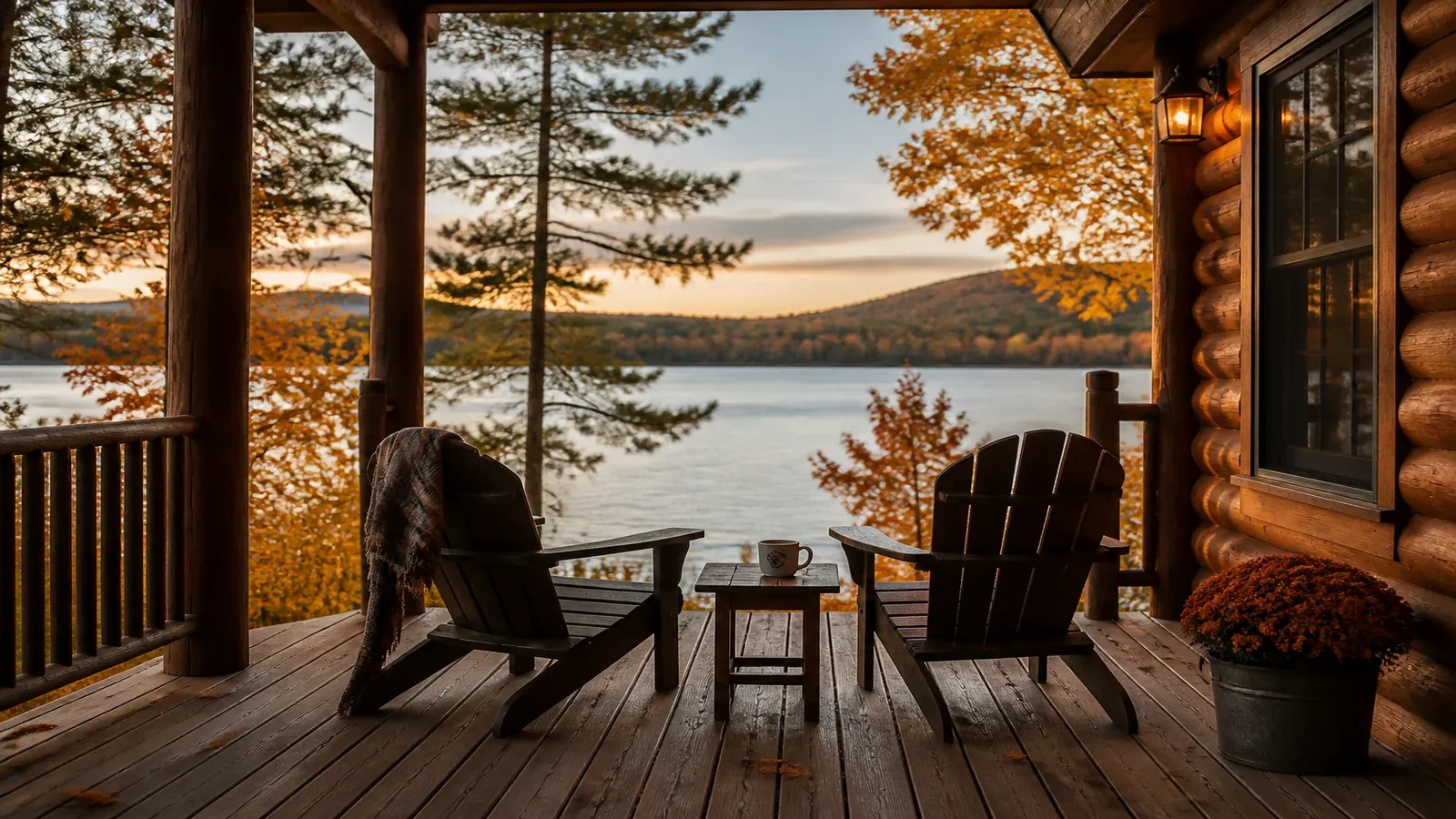
A weekend escape to a mountain lake compresses the appeal of longer wilderness trips into two or three nights: enough time to unwind, take a meaningful hike or paddle, and return to routine feeling genuinely reset rather than exhausted from travel logistics. Short trips also impose constraints — limited packing tolerance, tight arrival windows after work on Friday, and the temptation to over-schedule activities into too few hours. This guide offers a practical framework for planning weekend lake cabin getaways: choosing destinations within reasonable drive time, prioritizing a small number of high-value activities, packing efficiently, and building flexibility for mountain weather that rarely consults your calendar.
Choosing a Destination Within Weekend Range
Drive time materially affects how restorative a weekend trip feels. Many travelers find that destinations within roughly three to five hours of home — depending on road type and departure time — allow sufficient on-site hours without turning the entire weekend into transit. Factors beyond raw mileage include:
- Whether the final segment requires slow unpaved roads that extend effective travel time.
- Whether Friday evening departure faces predictable traffic corridors.
- Whether grocery provisioning is possible near the lake or must happen before the last town en route.
- Whether check-in times align with realistic arrival after a workday departure.
Closer lakes with slightly less dramatic scenery often outperform distant iconic destinations when total trip length is only 48 to 72 hours on site.
Activity Prioritization for Short Stays
Attempting to fish, kayak, hike three trails, and photograph sunrise and sunset across a single weekend frequently produces frustration rather than enjoyment. A more sustainable approach selects one primary activity anchor and one secondary option:
- Hike-focused weekend: One signature day hike plus an optional short shoreline walk on departure morning. See our hiking guide for day-hike planning.
- Water-focused weekend: A half-day paddle and shore fishing sessions without committing to long trail drives. Our kayaking and fishing guides cover basics.
- Rest-focused weekend: Minimal scheduled activity — reading on the deck, short nature walks, and stargazing — suited to travelers recovering from intensive work periods.
Matching ambition to group energy prevents the common weekend failure mode of returning home more tired than when you left.
Sample Weekend Timeline
A general structure adaptable to most lake cabin weekends:
- Friday evening: Arrive, unpack essentials, confirm weather forecast and trail or water conditions for Saturday, simple meal, early sleep.
- Saturday morning: Primary activity during the best weather and light window — often hiking or paddling before afternoon wind and storms.
- Saturday afternoon: Flexible block for secondary activity, rest, or weather contingency.
- Saturday evening: Cookout or simple dinner, stargazing if skies clear, prepare minimal gear for Sunday.
- Sunday morning: Short activity or leisurely breakfast with lake views; depart mid-morning to avoid rush-hour conversion on return drive where applicable.
Packing for Efficiency
Weekend trips reward packing lists over packing volume. Essentials for mountain lake weekends typically include layered clothing for temperature swings, rain shell regardless of forecast, broken-in footwear for chosen activities, headlamp, basic first-aid supplies, reusable water bottles, and any activity-specific gear not available for rent locally. Pre-packed totes stored between trips can reduce Friday departure friction for repeat weekend travelers.
Food planning for two nights benefits from one substantial shop before leaving civilization — options near remote lakes may be limited, expensive, or closed evenings. Meal simplicity (one-pot dinners, pre-prepped breakfast items) preserves time for activities.
Booking and Availability Considerations
Popular lakeside cabins book heavily for summer holiday weekends and autumn foliage weekends in applicable regions. Shoulder-season weekends — late spring and early autumn outside holiday peaks — often offer better availability and quieter shorelines with acceptable weather for travelers willing to pack warmer layers. Cancellation policies matter on short trips where a single weather event can disrupt primary outdoor plans; understanding refund or credit terms before booking reduces financial stress when conditions force indoor time.
A successful weekend escape usually optimizes for hours at the lake — not for checking the maximum number of activities off a list before Monday arrives.
Connecting Weekends to Longer Trip Planning
Weekend trips function well as research visits for future longer vacations. Notes on trail quality, grocery access, insect conditions, and cabin layout inform whether a destination warrants a full-week return during a different season. Our trip planning guide extends these short-trip lessons into multi-day itineraries.
How This Guide Was Put Together
This framework reflects general short-trip travel planning principles adapted for mountain lake cabin contexts. Conditions, availability, and access vary — verify details for your specific destination and dates directly with property operators and official local sources. fluoboritoid provides educational travel guidance and does not book accommodations or guarantee weekend availability at referenced destination types.