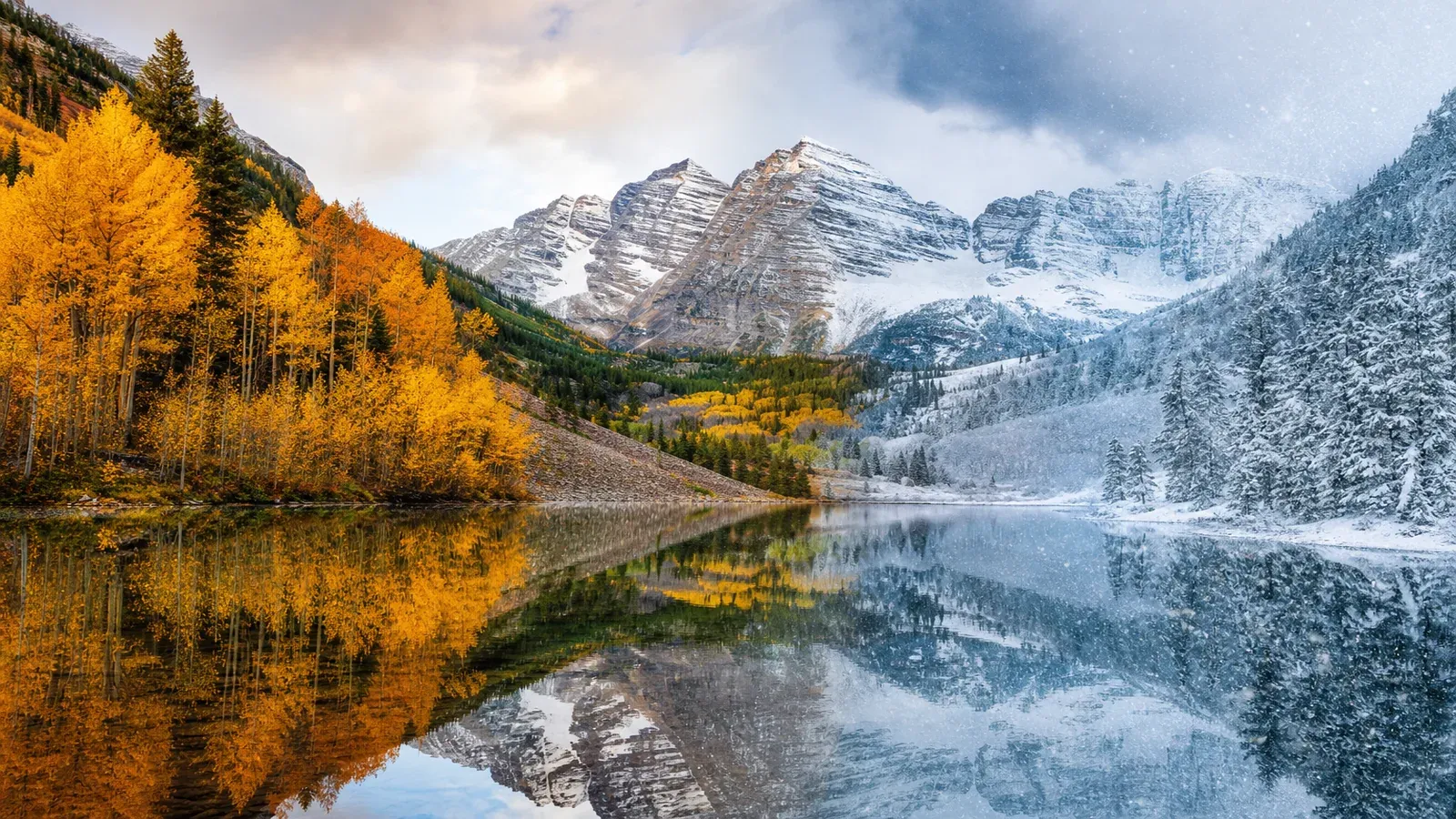
Mountain lakes transform through the year in ways that affect nearly every travel decision: road access, water temperature, insect levels, fishing quality, hiking trail conditions, cabin heating requirements, and crowd density. A lake that feels idyllic in August may be inaccessible in March and visually spectacular but chilly in October. This seasonal guide provides an educational month-by-month framework for understanding what travelers commonly encounter at mountain lake destinations across the United States, with the understanding that specific timing shifts with latitude, elevation, and annual weather variation.
Spring (March Through May)
Spring at mountain lakes is a season of transition rather than stable conditions. Low-elevation lakes thaw first, often between March and April depending on region, while high alpine lakes may remain ice-covered into June. Key spring dynamics include:
- Runoff and water levels: Snowmelt swells inflows, sometimes flooding shoreline paths and raising water into vegetation zones. Muddy access roads are common until drying trends establish.
- Road openings: Many forest roads to remote cabins open only after seasonal closures lift — dates vary yearly and may not be announced far in advance.
- Fishing: Ice-out periods can produce active feeding as waters warm, though conditions change daily.
- Wildlife: Increased animal movement, birthing seasons, and migratory bird returns make shoreline observation rewarding with appropriate distance.
- Cabin readiness: Not all properties de-winterize plumbing and heating by early spring; confirm operational status for your target dates.
Spring suits travelers who tolerate uncertainty in exchange for solitude and emerging wildflower displays at lower elevations near lakes.
Early Summer (June)
June bridges spring runoff and full summer recreation. Mosquito and biting fly populations often peak in early summer at many mountain lakes before declining in drier weeks. Water remains cold for swimming without thermal protection at higher elevations. Trail access improves as snow recedes, though north-facing slopes and passes above treeline may still hold snowfields requiring caution. June weekends can be busy at well-known destinations as schools release for summer, but overall visitation is often lower than July and August peaks.
Peak Summer (July Through August)
Peak summer offers the broadest activity window: warmest air temperatures, longest daylight, fully open high-elevation trails at most locations, and rental outfitters operating at full capacity for boats and kayaks. Trade-offs include:
- Highest visitation and competition for cabin reservations, parking, and permits at popular trailheads.
- Afternoon thunderstorm patterns in many mountain ranges requiring early-start hiking and paddling habits.
- Wildfire smoke in drought years affecting air quality and visibility across entire regions — monitoring air quality indexes during western trips is prudent.
- Warm surface water layers on some lakes, though deep alpine lakes remain cold at depth.
Activity-specific seasonal notes appear in our fishing, kayaking, and hiking guides.
Autumn (September Through October)
Autumn attracts travelers seeking foliage color, quieter shorelines, and crisp weather. Timing foliage peaks requires elevation-specific research — aspens at 9,000 feet may peak weeks before valleys at 6,000 feet. Early autumn often retains stable weather with fewer storms than midsummer; late October introduces snow at elevation and unpredictable road conditions. Many cabin operators close for the season between mid-October and Thanksgiving depending on location and insulation. Fishing can remain productive as water cools and boat traffic decreases.
Winter (November Through February)
Winter transforms accessibility more than appearance at many mountain lakes. Remote cabin roads close under snow; plowed access exists primarily at lower-elevation lakes with year-round communities or resort infrastructure. Activities shift toward snowshoeing, cross-country skiing on lakeshore trails, ice fishing where ice thickness is verified safe, and photography of frozen landscapes. Cabin heating reliability, propane delivery, and emergency access become primary research topics. Avalanche terrain on surrounding slopes may affect even lakeside stays when hiking beyond maintained areas — regional avalanche forecasts apply in mountainous winter travel.
Shoulder Seasons as Strategic Choices
Late May through early June and mid-September through early October function as shoulder seasons at many mountain lakes: generally fewer crowds than peak summer, moderate temperatures with proper layers, and meaningful trade-offs in water temperature and insect presence. Shoulder travel suits travelers prioritizing atmosphere and value over maximum activity breadth.
Choosing a season is effectively choosing which set of trade-offs you prefer — there is no single best month for every traveler at every mountain lake.
Regional Variation Reminder
This guide describes general patterns; specific lakes in the Pacific Northwest, Rocky Mountains, Sierra Nevada, Adirondacks, and other regions deviate based on local climate norms. Elevation within a single region can shift conditions by weeks. Official park and forest websites, plus historical weather data for the nearest reporting station, support more precise planning than national generalizations alone.
How This Guide Was Put Together
Seasonal descriptions reflect commonly reported patterns in mountain recreation literature and agency publications, synthesized for educational trip planning. Annual weather variation can produce exceptions to every generalization here — verify current conditions, road status, and property operating seasons directly before travel. fluoboritoid publishes independent guides to scenic mountain lakeside cabins and related topics without guaranteeing seasonal conditions at specific destinations.