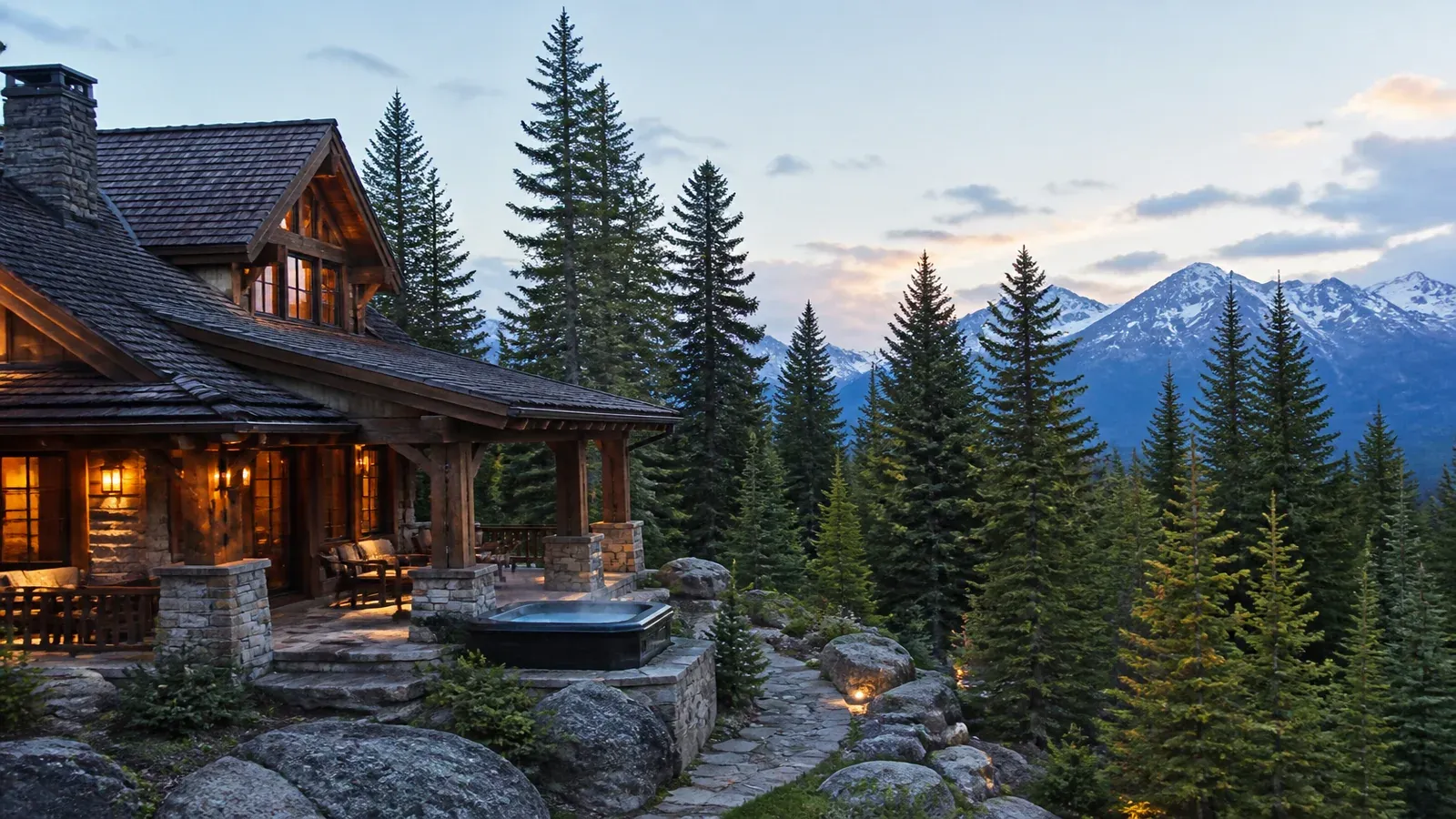
Mountain retreats near alpine lakes occupy a specific niche in outdoor travel: they offer elevation, expansive views, and a degree of separation from everyday routine that lower-elevation destinations rarely match. The term retreat covers a wide range of experiences — from minimalist cabins focused on silence and stargazing to properties that combine lake access with guided activities such as yoga, fly fishing instruction, or naturalist-led walks. This guide explains what distinguishes mountain retreats from general vacation rentals, how elevation and remoteness shape the guest experience, and what to research when comparing properties at different heights and access levels.
What Makes a Stay a Mountain Retreat
A mountain retreat is less about a specific building type than about intent and setting. Retreats typically emphasize rest, reflection, or skill-building in a natural environment, often with fewer scheduled amenities than a resort and more emphasis on the surrounding landscape. When a retreat is positioned near a lake, water becomes part of the daily rhythm: morning mist on the surface, afternoon light on surrounding peaks, and evening stillness that many guests describe as the defining feature of their stay.
Retreats differ from standard vacation rentals in several practical ways. Many limit guest capacity to preserve quiet. Some provide structured programs or recommended daily rhythms rather than open-ended entertainment. Others simply offer a well-situated cabin with minimal programming, leaving guests to define their own pace. Neither approach is inherently better; the fit depends on whether you want guidance and community or solitude and self-direction.
Elevation and Its Effects on Your Stay
Elevation is one of the most under-researched variables in mountain travel. Properties above roughly 8,000 feet (about 2,400 meters) can affect visitors who are not acclimatized, particularly during the first 24 to 48 hours of a stay. Common experiences include mild shortness of breath during exertion, disrupted sleep, headaches, and increased susceptibility to dehydration and sunburn due to thinner atmosphere and stronger ultraviolet exposure.
Practical adjustments that many travelers find helpful include arriving gradually when possible, drinking more water than at sea level, moderating alcohol intake during the first day, and planning lighter physical activity initially before attempting strenuous hikes. Medical guidance suggests consulting a physician before high-elevation travel if you have cardiovascular or respiratory conditions, since individual responses vary considerably.
Remote Versus Accessible Retreat Locations
Mountain retreats near lakes often fall into two broad access categories, each with distinct trade-offs:
- Drive-up accessible retreats: Reachable via paved or maintained gravel roads within a few hours of a regional airport or city. These properties suit travelers who want mountain atmosphere without multi-day logistics or specialized vehicles.
- Remote or limited-access retreats: Requiring high-clearance vehicles, seasonal road openings, or in rare cases boat or foot access across the final segment. These locations tend to offer greater solitude and darker night skies but demand more flexible scheduling and self-sufficiency.
Weather can close access roads with little notice at elevation. Checking historical road opening and closing dates for the specific corridor — not just the property listing — helps set realistic arrival and departure expectations, particularly in spring and late autumn.
Wellness and Activity-Oriented Retreat Models
Some mountain lake retreats integrate structured wellness or outdoor education into the stay. Common program elements include guided meditation or yoga sessions on lakeside decks, introductory fly fishing workshops, forest bathing walks, astronomy evenings, and cooking classes using regional ingredients. These programs vary widely in quality and philosophy; reviewing the specific curriculum, instructor credentials, and daily schedule in detail is more informative than relying on general wellness branding.
For travelers who prefer unstructured time, many retreats offer property-only bookings without required participation in group activities. Confirming whether any shared meals, classes, or communal spaces are mandatory versus optional prevents mismatched expectations, especially at smaller properties where guest interaction is naturally frequent.
Combining Retreat Time with Lake Recreation
A retreat stay near water opens complementary activities that support both rest and gentle movement. Calm morning paddling, shoreline reading, and short walks along established paths can fill days without the intensity of a full adventure itinerary. Our guides to kayaking, fishing, and hiking cover activity-specific safety and seasonal notes that pair well with a retreat-oriented pace.
Retreat travel tends to work best when you choose a property whose level of structure — or deliberate lack of it — matches how you actually recharge, not how you think you should.
Evaluating Retreat Properties
- Confirm maximum occupancy and whether other guests will share common areas during your dates.
- Ask about meal arrangements: fully self-catered, partial provisioning, or included dining.
- Verify heat, hot water, and power reliability at the elevation and season of your visit.
- Understand cancellation terms given mountain weather unpredictability.
- Identify emergency contact protocols and nearest medical facilities.
- Review whether pets, children, or specific dietary needs are accommodated.
How This Guide Was Put Together
This overview draws on publicly available information about mountain lodging patterns, high-elevation health guidance from organizations such as the Centers for Disease Control and Prevention, and general outdoor recreation planning principles. It is educational material published by fluoboritoid, an independent guide to scenic mountain lakeside cabins and related travel topics. We do not operate retreats or guarantee conditions at any specific property — confirm all details directly with operators before booking.