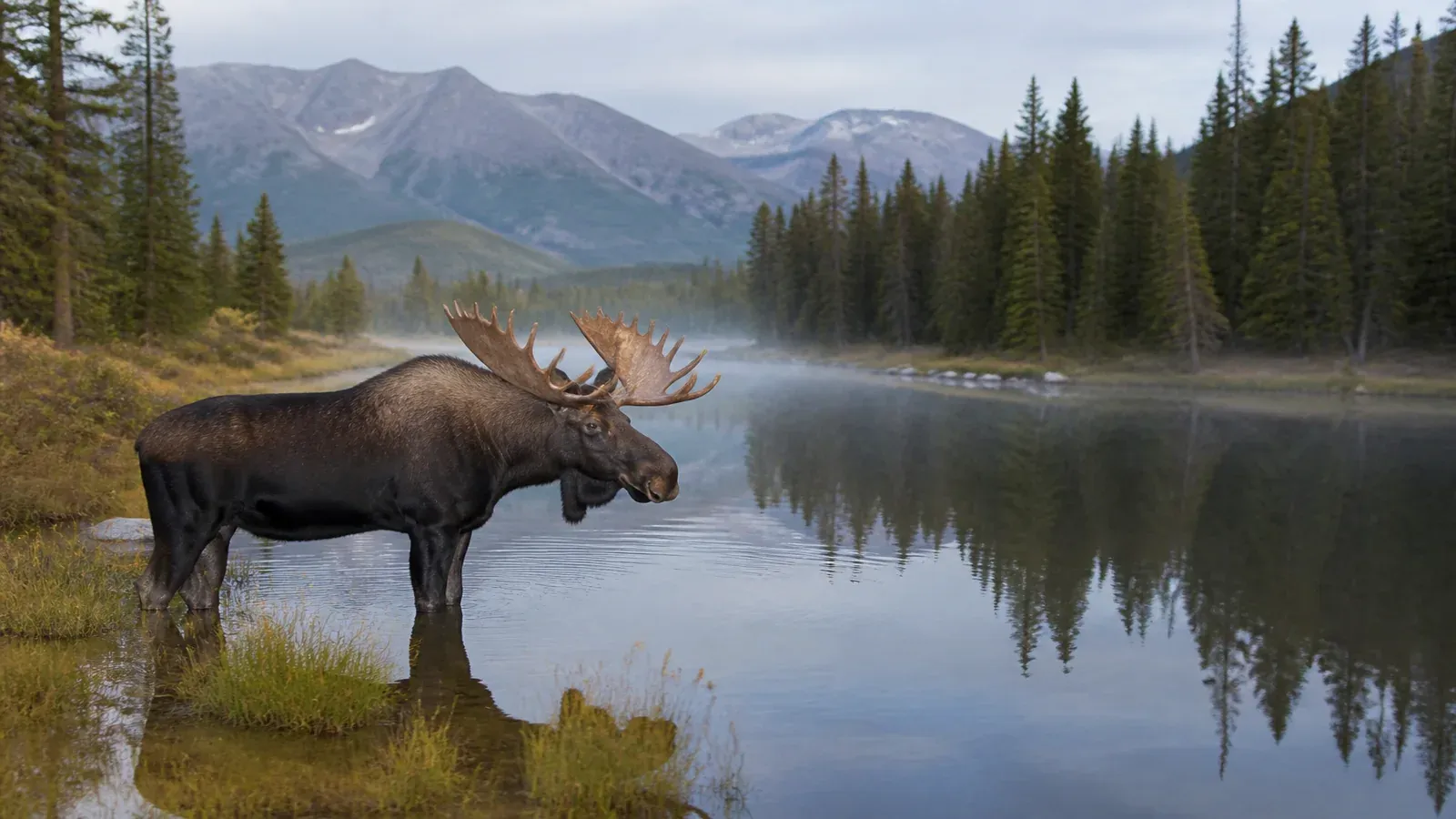
Mountain lakes support diverse wildlife communities shaped by water, forest edge habitat, and elevation. Travelers staying in lakeside cabins may encounter species ranging from common waterfowl and small mammals to larger animals such as deer, elk, moose, and bears moving through shoreline zones especially during dawn and dusk. Wildlife observation can be a highlight of mountain lake travel when approached with appropriate distance, food-storage discipline, and realistic expectations about unpredictable animal behavior. This guide covers commonly encountered species, seasonal activity patterns, safety fundamentals, and principles of responsible viewing near alpine water bodies.
Wildlife Commonly Seen Near Mountain Lakes
Regional variation is significant, but several species appear frequently across mountain lake environments in the United States:
- Waterfowl and shorebirds: Ducks, geese, loons, and various wading birds use lakes for nesting, feeding, and migration stops. Loons are particularly sensitive to disturbance during nesting season.
- Small mammals: Squirrels, chipmunks, pikas on rocky slopes, and beaver or muskrat along vegetated shores are common. Small mammals are often the animals guests interact with most directly — and should feed least.
- Ungulates: Deer and elk graze in meadows and forest edges near lakes, especially at dawn and dusk. Moose frequent shallow bays with aquatic vegetation and can be encountered while kayaking or hiking shore trails.
- Black bears: Present in many mountain regions, generally wary of humans but attracted to improperly stored food and trash at cabin properties.
- Predators and scavengers: Coyotes, foxes, and occasionally mountain lions inhabit broader ecosystems around lakes; direct encounters with humans are rare but possible on remote trails.
- Reptiles and amphibians: Depending on region and elevation, garter snakes, frogs, and salamanders appear near moist shoreline areas, particularly in spring.
State wildlife agency species lists and field guides specific to the region provide more accurate local detail than general assumptions.
Safe Viewing Distances
Wildlife agencies commonly recommend maintaining substantial distance from wild animals. General guidance from the National Park Service suggests at least 25 yards (about 23 meters) from most wildlife and at least 100 yards (about 91 meters) from predators such as bears and wolves, though specific regional guidance may differ and should take precedence. The practical test: if an animal changes behavior because of your presence — stops feeding, retreats, or becomes alert — you are too close.
Moose deserve particular caution near water. They may appear slow but can move quickly and aggressively when they feel threatened, especially cows with calves. Give moose wide berth and never position yourself between a mother and offspring.
Food Storage at Lakeside Cabins
Feeding wildlife, intentionally or through accessible trash and coolers, is a primary driver of human-wildlife conflict at mountain properties. Standard precautions include:
- Using bear-resistant trash containers and food lockers when provided by the property.
- Storing food, coolers, and scented toiletries in vehicles or approved containers when lockers are unavailable — not on decks or in tents.
- Cleaning grills and picnic areas promptly after use.
- Never leaving fish cleaning waste near cabins or shorelines where it attracts bears and scavengers.
Property hosts often provide region-specific storage instructions; following them protects both guests and animals.
Seasonal Wildlife Activity
- Spring: Increased activity as animals emerge from winter dormancy or return from migration; birthing seasons for many species mean parents may be more protective.
- Summer: Dawn and dusk remain peak activity periods; midday heat reduces movement for many mammals. Nesting birds and loons require extra distance during breeding windows.
- Autumn: Elk and deer rutting seasons produce vocalization and movement patterns that increase visibility but also unpredictability. Bears increase feeding ahead of winter.
- Winter: Reduced overall activity; tracks in snow reveal presence of animals less visible in other seasons. Some species migrate to lower elevations while others remain near ice-free water sources.
Seasonal patterns connect to broader trip timing discussed in our seasonal guides.
Wildlife and On-Water Activities
Paddlers and anglers encounter wildlife from water-level perspectives that hikers rarely share. Approaching animals quietly from a kayak can feel intimate but creates stress if distances are too close — particularly for loons, which may abandon nests after repeated disturbance. Motorboats create additional noise and wake that affect shoreline nesting habitat. Maintaining course alterations to pass at respectful distance applies on water as on land.
What to Do During Close Encounters
- Remain calm and avoid sudden movements.
- Do not run, which can trigger chase responses in some species.
- Back away slowly while facing the animal, giving it a clear escape route.
- Report unusually bold or aggressive behavior to property hosts or local wildlife authorities.
- Carry bear spray where recommended and know how to use it — practice with an inert trainer canister before a trip.
The most rewarding wildlife moments near mountain lakes are usually the ones where the animal never altered its behavior because of your presence — patience and distance produce better observations than proximity.
How This Guide Was Put Together
This overview reflects general wildlife safety guidance from agencies such as the National Park Service and state wildlife departments, intended as educational background rather than a substitute for official, region-specific advisories. Wildlife behavior varies by location and season — check current advisories with local authorities before and during your trip. fluoboritoid does not guarantee wildlife sightings or specific encounter outcomes.