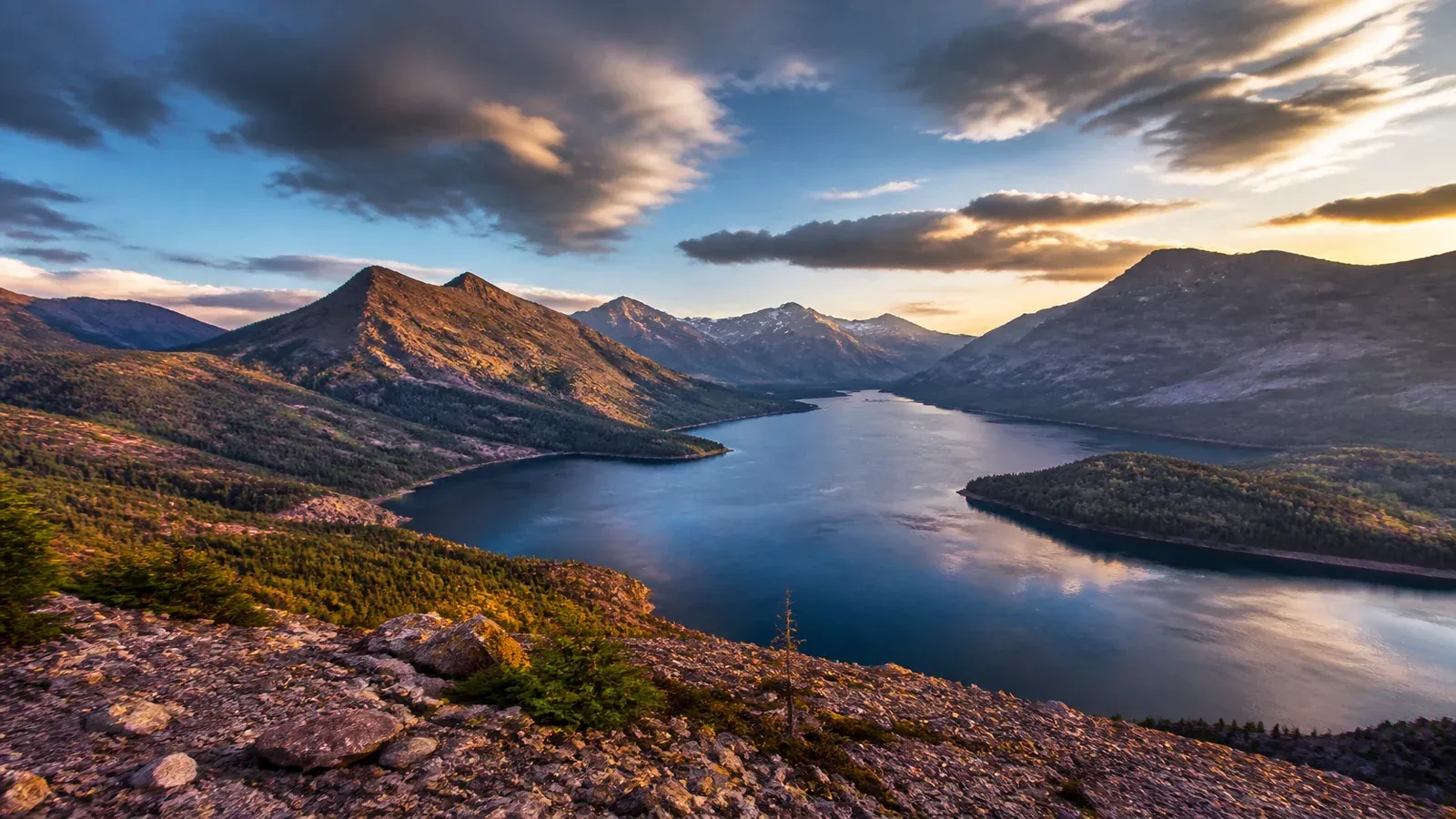
Mountain lakes create some of the most recognizable landscape compositions in North American outdoor travel: still water mirroring peaks, morning mist lifting from cold surfaces, and autumn color descending slope-by-slope toward the shore. Scenic viewing does not require technical photography skills or strenuous hiking — many remarkable vistas are reachable from cabin decks, short walks, or designated overlooks along established roads. This guide explains how light, weather, and season shape what you see; how to find viewpoints responsibly; and how to enjoy dramatic landscapes without contributing to overcrowding or environmental damage at sensitive sites.
Why Mountain Lakes Produce Dramatic Views
Several geographic factors combine to make alpine lakes particularly photogenic and visually striking. Elevation places viewers closer to surrounding summits, increasing the apparent scale of peaks relative to the lake surface. Cold water temperatures reduce algae growth compared to warm lowland lakes, often producing exceptional clarity that supports mirror-like reflections on calm mornings. Glacial or volcanic geology creates varied shoreline shapes — cirque basins, moraine dams, and cliff-backed shores — that add structural interest to compositions from nearly any angle.
Understanding these factors helps set realistic expectations. Reflections require surface calm, which wind often disrupts by midmorning. Peak color requires specific seasonal timing that shifts with elevation and yearly weather. A viewpoint spectacular at sunrise may look flat at midday when harsh overhead light reduces contrast on slopes and water.
Light and Timing
Photographers and casual viewers alike benefit from planning around light quality rather than only around weather icons in a forecast app:
- Golden hour: The intervals shortly after sunrise and before sunset cast warm lateral light across peaks and shorelines, often the most favorable window for both photography and general appreciation.
- Blue hour: Pre-dawn and post-sunset periods can produce deep, even tones across water and sky, particularly compelling when artificial lights are absent.
- Midday: Harsh overhead light flattens mountain scenes and increases glare on water; this period suits boating or forested trails more than open vista photography.
- Weather breaks: Clearing storms can create dramatic cloud formations and transient rainbows, though safety near exposed ridges during active lightning remains paramount.
Seasonal timing interacts with light: summer sunrises occur early and require less sleep sacrifice; autumn sun angles remain favorable through much of the day for south-facing slopes above lakes.
Viewpoint Categories
Scenic access near mountain lakes generally falls into these categories:
- Cabin and shoreline vantage points: Decks, docks, and lakeside paths offer repeated access across multiple days — ideal for waiting out weather until conditions align.
- Short hike overlooks: Trails of one to three miles often lead to elevated perspectives above treeline or across inlet valleys.
- Drive-accessible pullouts: Many mountain lake regions include signed scenic overlooks along paved or maintained roads, useful for travelers with limited mobility or time.
- Water-level perspectives: Kayaks and small boats provide angles unavailable from shore; see our kayaking guide for safety context.
Official park and forest maps mark many established viewpoints; creating new social trails to unofficial promontories contributes to erosion and habitat disturbance and is discouraged on public lands.
Seasonal Visual Character
Each season transforms the same lake differently:
- Spring: High water, snow on upper peaks, wildflower beginnings at lower elevations, and fewer visitors at many locations.
- Summer: Deep green forests, wildflowers at higher meadows, possible afternoon storm buildup, and peak tourist density at popular lakes.
- Autumn: Aspens and larches in many western ranges, tamaracks in parts of the Midwest and Northeast, crisp air, and early snow dustings on peaks.
- Winter: Ice formations, snow-covered shores, and stark minimal compositions; access and safety constraints limit many viewpoints to those near plowed roads or short snowshoe routes.
Our seasonal guides expand on trip-wide timing considerations that include scenic viewing alongside other activities.
Responsible Viewing and Crowd Management
Popular scenic lakes face increasing visitation pressure. Practices that reduce impact include visiting established viewpoints during off-peak hours, avoiding drone use where prohibited, staying behind railings and on durable surfaces at fragile overlooks, and refraining from stacking rocks or altering natural features for social media compositions. Parking regulations at trailheads and overlooks exist to prevent road blockages and resource damage — citations are common at heavily visited destinations during peak weekends.
The strongest scenic experiences often come from patience — returning to the same viewpoint across different light conditions rather than rushing between maximum number of photo stops.
Accessibility Considerations
Not all scenic viewpoints require hiking. When researching a mountain lake trip with accessibility needs, confirm whether paved paths, ADA-compliant facilities, or drive-up overlooks exist at your target destination. Descriptions like scenic often omit surface type, grade, and railing presence — contacting park visitor centers or property hosts directly yields more actionable information than generic listing language.
How This Guide Was Put Together
This overview draws on general landscape observation principles and publicly available guidance from land management agencies regarding responsible recreation at scenic destinations. fluoboritoid publishes independent educational content about mountain lakeside travel and does not guarantee visibility conditions, road access, or crowd levels at any specific viewpoint on any given date.